












Do you have questions?
Call or text today, we are here to help!
602-422-9870

Arizona buyers are putting motorized shades on their must-have list. Here's why heat, glare, and energy bills are driving the demand.
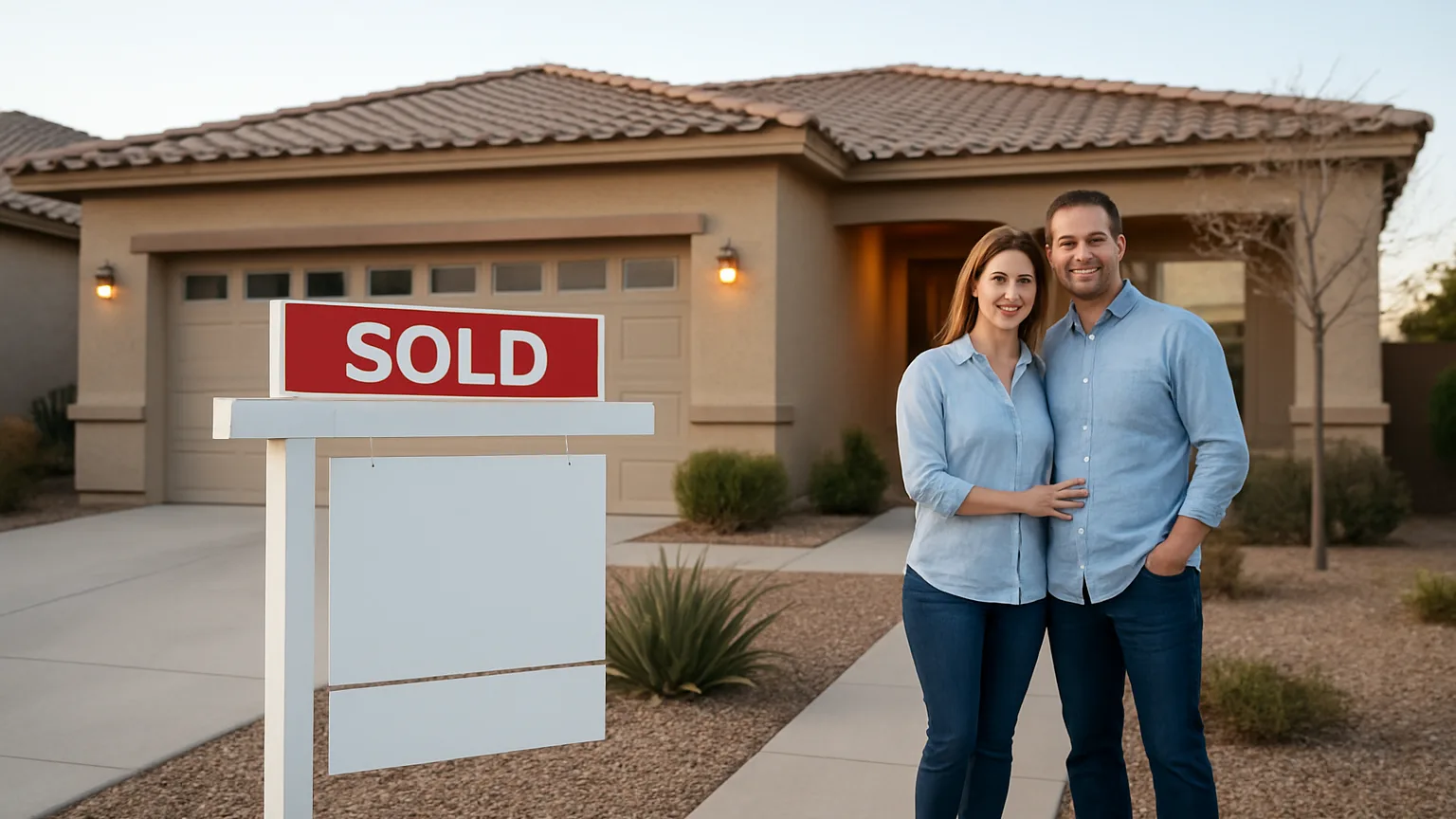
Walk through any open house in the Valley this summer and you'll notice buyers doing something odd. They walk straight to the windows before they check out the kitchen. They want to know how the home handles the sun, because in Arizona, the sun is basically a fourth utility bill.
Motorized shades have quietly moved from "nice extra" to "non negotiable" on a lot of buyer wish lists. It's not about luxury or gadget appeal. It's about comfort, cooling costs, and not having to wrestle a pull cord while balancing a coffee cup at 6am. Agents are noticing it too, and it's becoming one of the hidden upgrade arizona buyers notice the moment they walk through a house with big west facing glass.
This shift didn't happen overnight. It grew out of years of triple digit summers, rising power bills, and a housing market where every square foot of glass either works for you or against you.
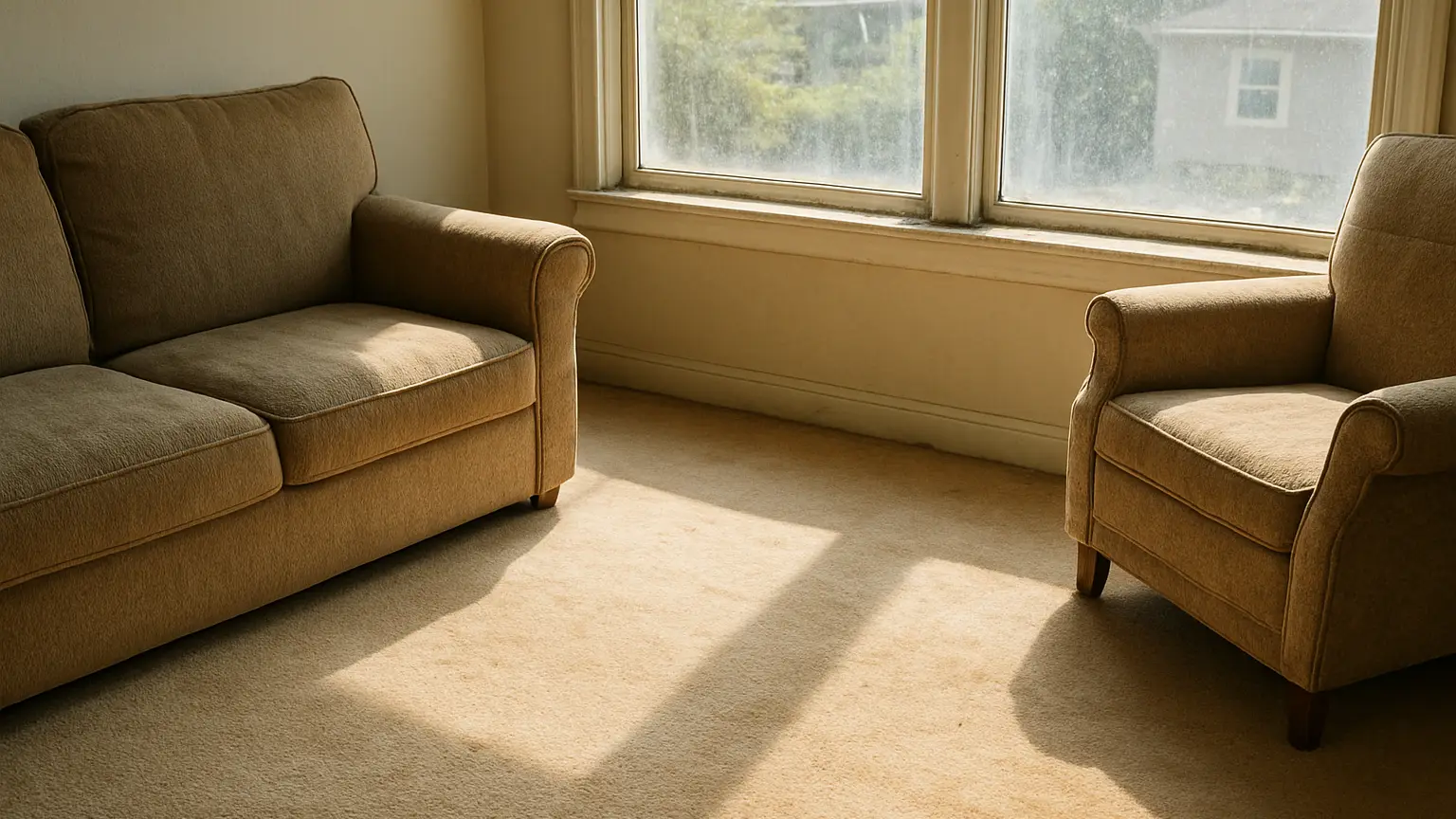
Arizona sun doesn't just heat a room, it heats furniture, floors, and eventually the whole HVAC system that has to fight back. A single unshaded window facing west can push indoor temperatures up several degrees in the late afternoon, right when the power grid is already under the most strain and rates are highest.
Homeowners who've lived through a few Arizona summers know the pattern well. The air conditioner runs nonstop from 2pm to 8pm, the thermostat never quite catches up, and the electric bill in August looks nothing like the one in February.
Buyers touring homes now factor this in almost automatically. They ask about window orientation, they ask about insulation, and increasingly, they ask about shading. Some of the patterns showing up in buyer conversations include:
None of this is new to desert living, but the difference now is that buyers expect sellers to have already solved the problem instead of leaving it for them to fix.
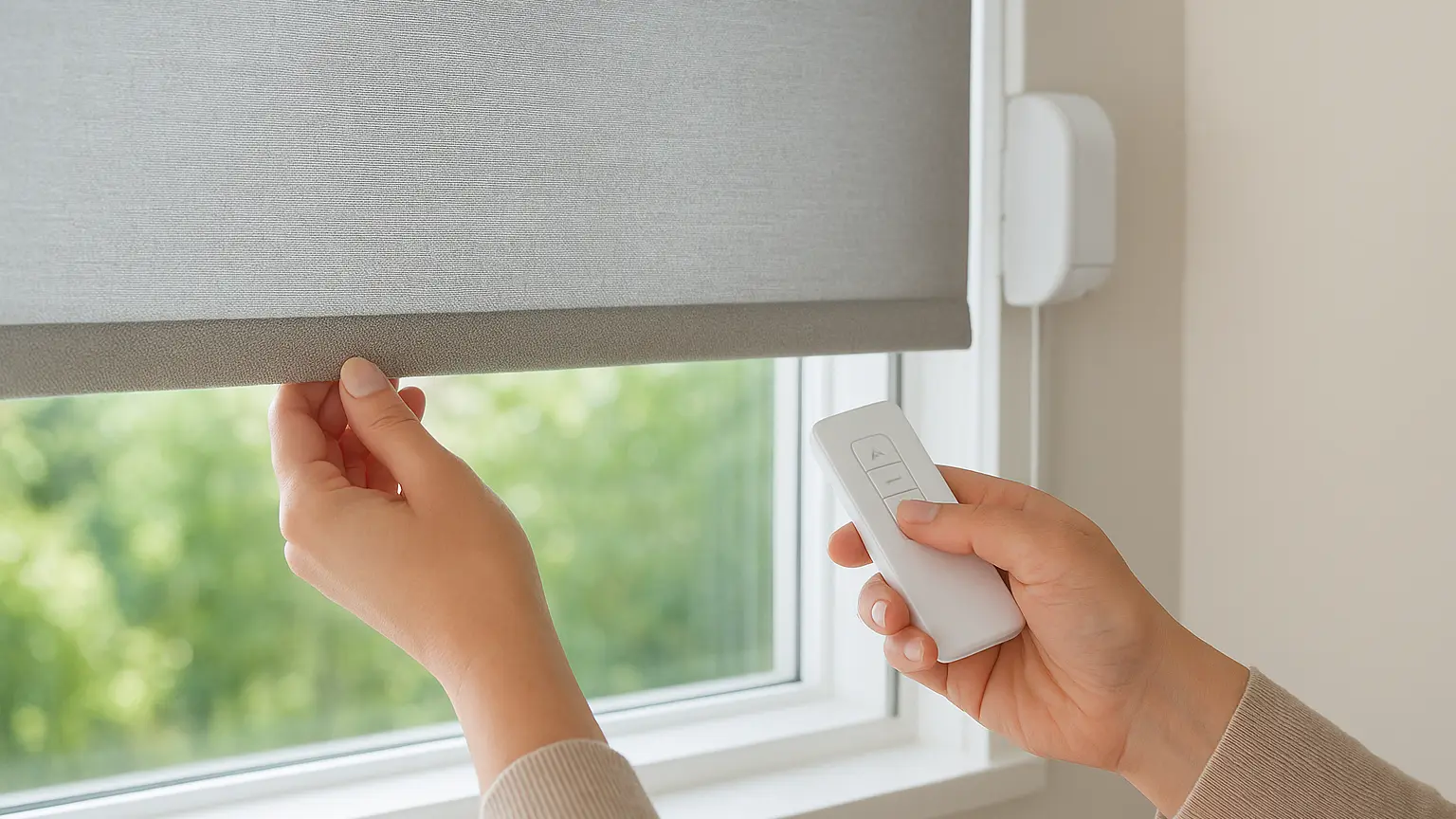
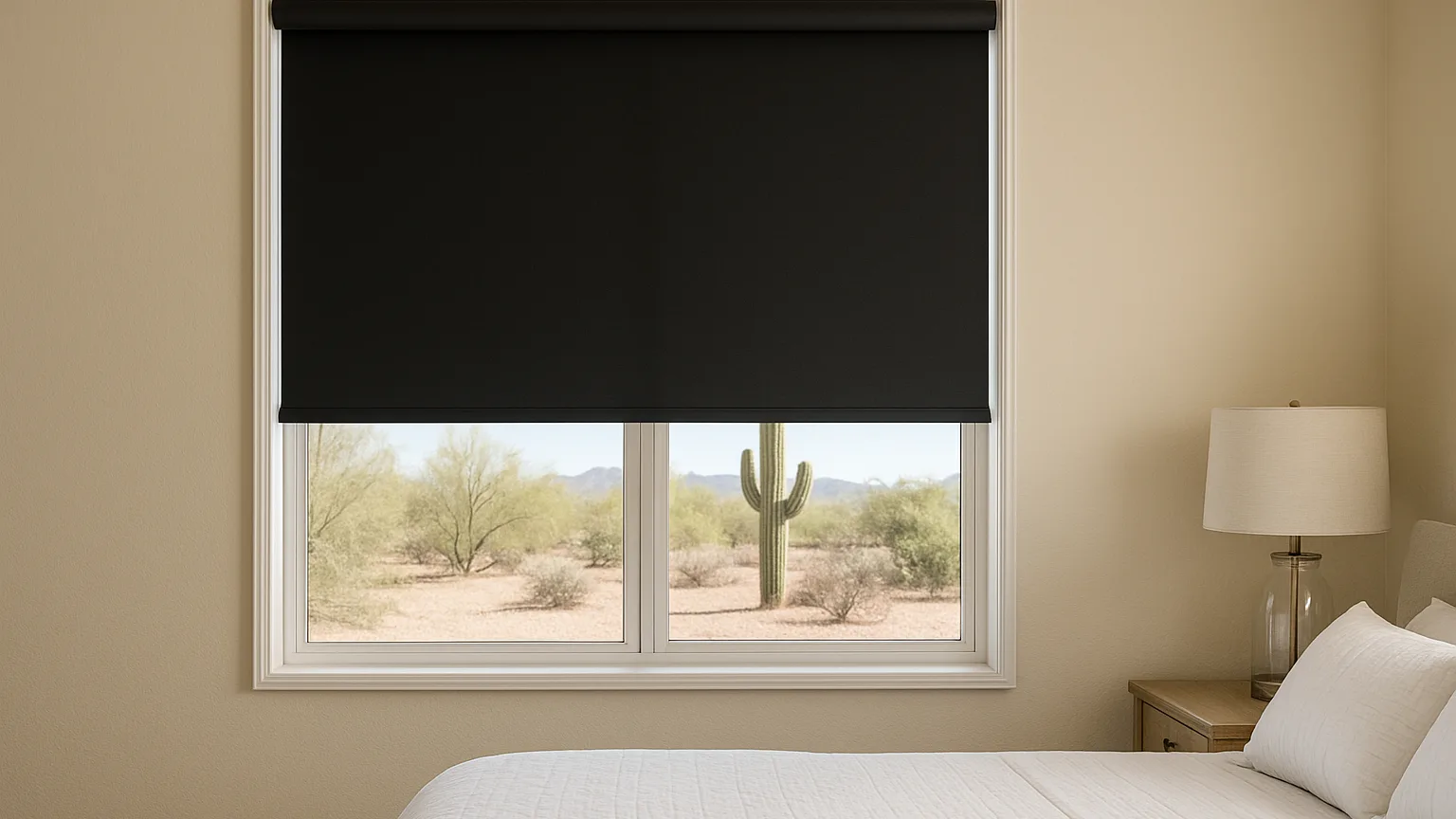
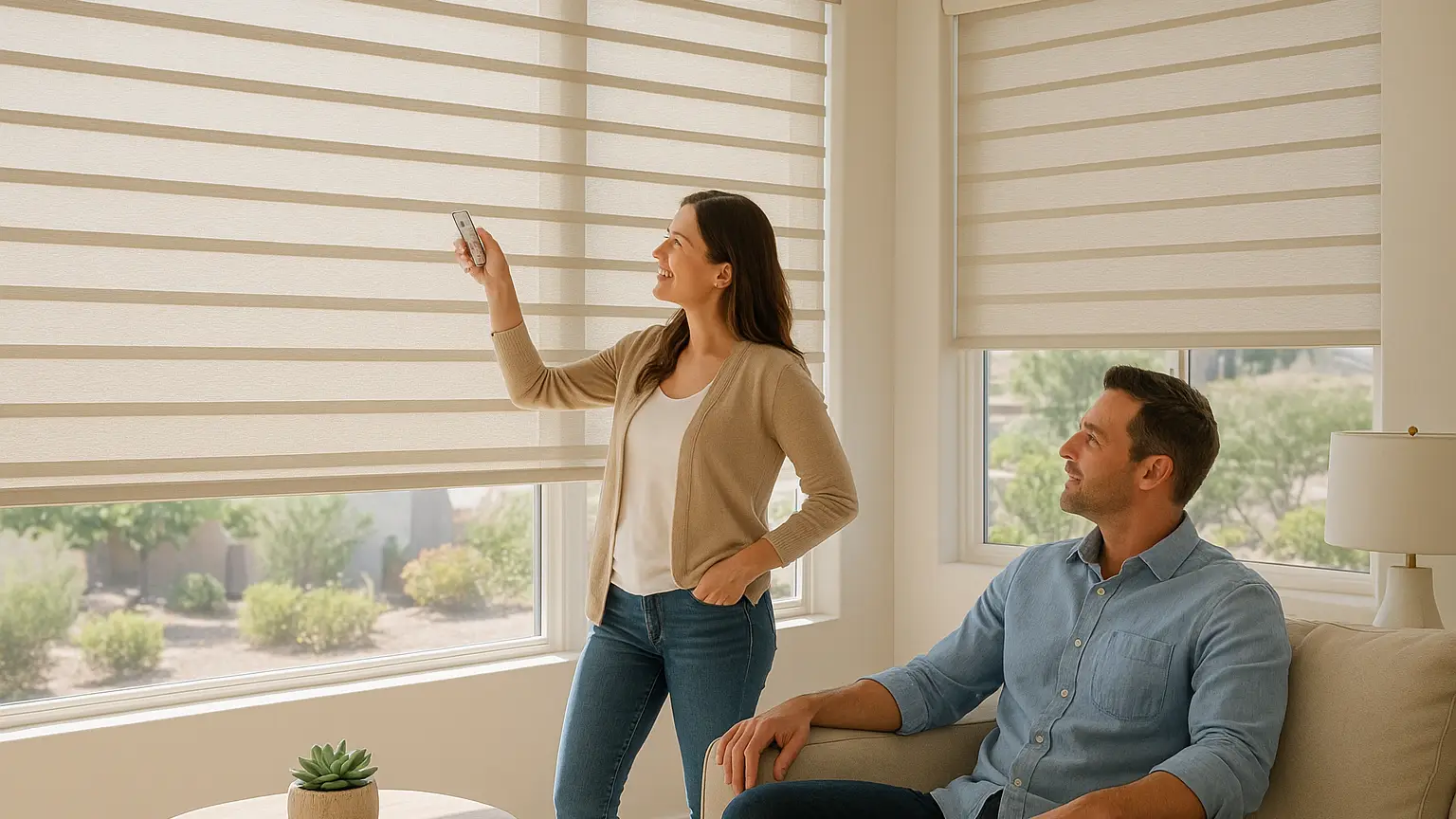
Motorized shades sound high tech, but the idea behind them is simple. Instead of relying on someone to manually adjust blinds throughout the day, the shades move on a schedule, a timer, or a simple app tap, dropping down before the sun hits hardest and lifting again once it passes.
That timing matters more than people realize. A shade that closes at 11am and stays shut through the worst heat of the afternoon can noticeably reduce how hard an air conditioner has to work, which directly affects monthly energy costs.
"The biggest misconception is that people think these are just a convenience item," says Daniel Reyes, lead product specialist at Blinds Chalet. "In a climate like Arizona's, a well placed motorized shade is closer to a piece of home performance equipment than a decorative one."
Homeowners also like that motorized shades solve a practical problem that manual blinds never fully fixed, which is consistency. A cord operated shade only works if someone remembers to use it, while a scheduled shade does its job every single day without anyone thinking about it.
Sellers are starting to treat motorized shades the way they treat a new water heater or updated electrical panel, as a feature that quietly removes a future expense from the buyer's plate. It signals that the home has already been adjusted for desert living instead of just built and left to bake.
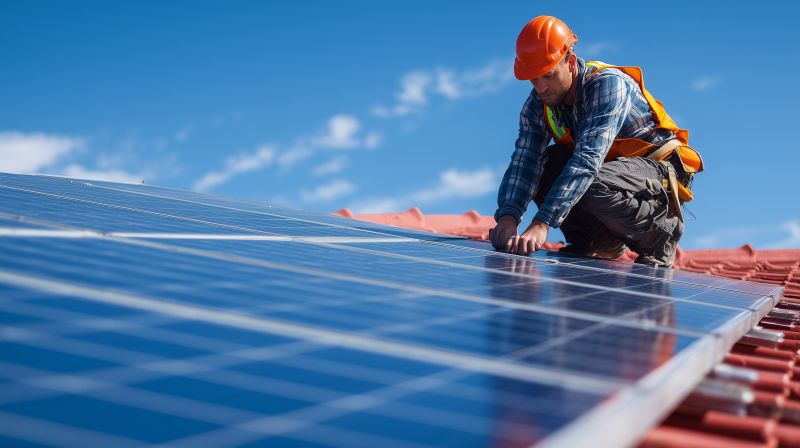
This ties into a bigger trend happening across Arizona real estate, where energy efficient upgrades are increasingly discussed in the same breath as square footage and lot size. Buyers comparing two similar homes will often lean toward the one that looks like it costs less to run every month, which is part of why conversations about solar panels & arizona resale value have picked up alongside interest in smart window coverings.
A few reasons this feature tends to stand out during a showing:
None of this means every home needs shades on every window to sell. But in a market where buyers are increasingly sun conscious, it's becoming one of those details that shifts a listing from "fine" to "thoughtfully done."
Arizona homebuyers aren't chasing trends when they ask about motorized shades, they're solving a problem that's been part of desert living for decades. Rising energy costs, longer stretches of extreme heat, and a growing awareness of how much window exposure affects comfort have all pushed this feature from optional to expected. It's a small mechanical upgrade with an outsized impact on how a home actually feels to live in.
For sellers, that means a modest investment in shading can translate into a home that shows better, feels cooler, and stands out in a market full of similar floor plans. For buyers, it means one less thing to budget for after closing. Either way, the desert sun isn't going anywhere, and homes that already know how to handle it are the ones getting a second look.
Call or text today, we are here to help!
602-422-9870