





















Do you have questions?
Call or text today, we are here to help!
602-422-9870

Subterranean and drywood termites work in completely different ways. Knowing which one you are dealing with changes everything about how you fight back.
You probably will not see a termite before you see what it has done. The damage usually shows up first as a soft spot in a door frame, a baseboard that crumbles under a touch, or a small pile of what looks like sand on a windowsill.
According to the National Pest Management Association, termites cause roughly $5 billion in property damage across the U.S. every year, and Arizona's mix of warm soils and dry timber gives both major species a comfortable home.
Two kinds of termites do nearly all the damage in Arizona: subterranean termites that live in the soil and tunnel up into homes, and drywood termites that live entirely inside the wood they eat. They look similar at a glance, but the way they invade and the way you stop them are completely different.
Subterranean termites live in colonies in the soil, sometimes hundreds of thousands strong. They reach your home by building mud tubes from the ground up the foundation, through which they travel safely between the soil and the wood they are eating. They never expose themselves to dry air, which is why most homeowners never see the workers themselves. Key warning signs include:
Damage typically starts where wood meets soil: along baseboards, around door frames closest to the foundation, in garage interior walls, and around plumbing penetrations. Once a colony is established, it can eat through a 2x4 in a matter of months.
Drywood termites are completely different. They do not need soil contact. Instead, the entire colony lives inside a single piece of seasoned wood: attic rafters, window frames, hardwood furniture, fence posts, or wood trim. They get all the moisture they need from the wood itself, which is why this species thrives in dry Arizona attics where other termites cannot survive.
Because they live inside the wood, drywood termites are harder to detect early than the eight-legged residents covered in our Arizona spider guide. The frass pile is often the first clue, and it tends to show up again within a day or two of being swept away. Each pile usually corresponds to a kick-out hole in the wood directly above it.
If you see termite damage but you are not sure which species, look at the evidence around it. Subterranean termites leave mud, drywood termites leave pellets. That single difference tells you almost everything you need to know about where the colony lives and how it will be treated.
A quick correct ID can save you weeks of chasing the wrong treatment plan. Subterranean colonies stay connected to the soil, so they need treatments that interrupt that connection. Drywood colonies live entirely above ground, so the wood itself is the battlefield.
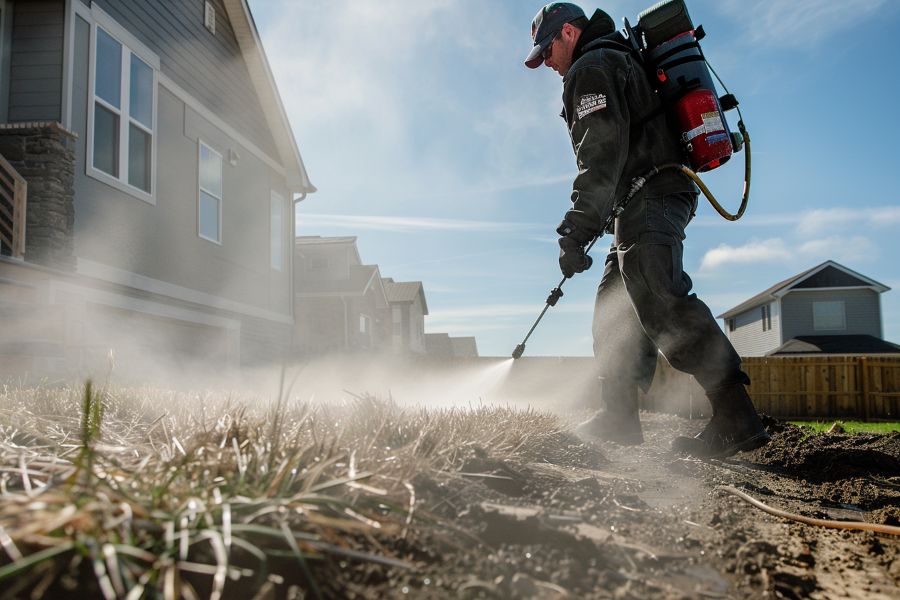
Most of the country has a single bad termite season. Arizona effectively has two. Subterranean termites are active whenever soil temperatures stay above the mid-50s, which in much of the state means almost year-round.
Drywood termites swarm during the warm months, usually after our first humid days of summer. Older homes with wood siding or wood structural elements near grade are at the highest risk, but new homes are not exempt: subterranean termites have been known to follow utility penetrations up through the slab.
Several conditions consistently raise the odds of an infestation:
Knowing when to inspect matters as much as where to look:
Check every couple of months during peak seasons. A flashlight in the attic and a careful look at the foundation will surface problems while they are still small enough to handle without major repair.
The right treatment depends entirely on the species. The wrong treatment is worse than no treatment because it gives the homeowner a false sense of relief while the colony keeps eating.
Indoor trapping works for the rodents in our Arizona rodent guide, but termites require professional-grade chemistry and equipment. Localized drywood spots can be injected through the kick-out holes. Larger or whole-house infestations may require structural fumigation: the home is tented and gas reaches every termite in every piece of wood. Fumigation is disruptive but it is the only treatment that reaches a colony hidden across multiple structural members at once.
Termites are easier to prevent than they are to eradicate. A few habits dramatically reduce the chance of an infestation, and most overlap with the steps that keep other pests out.
A single landscape audit often closes the door on multiple pests at once, since the same conditions that draw termites also attract roof rats and other wood-eating opportunists. Pair these habits with periodic professional inspections and you will catch problems before they become structural.
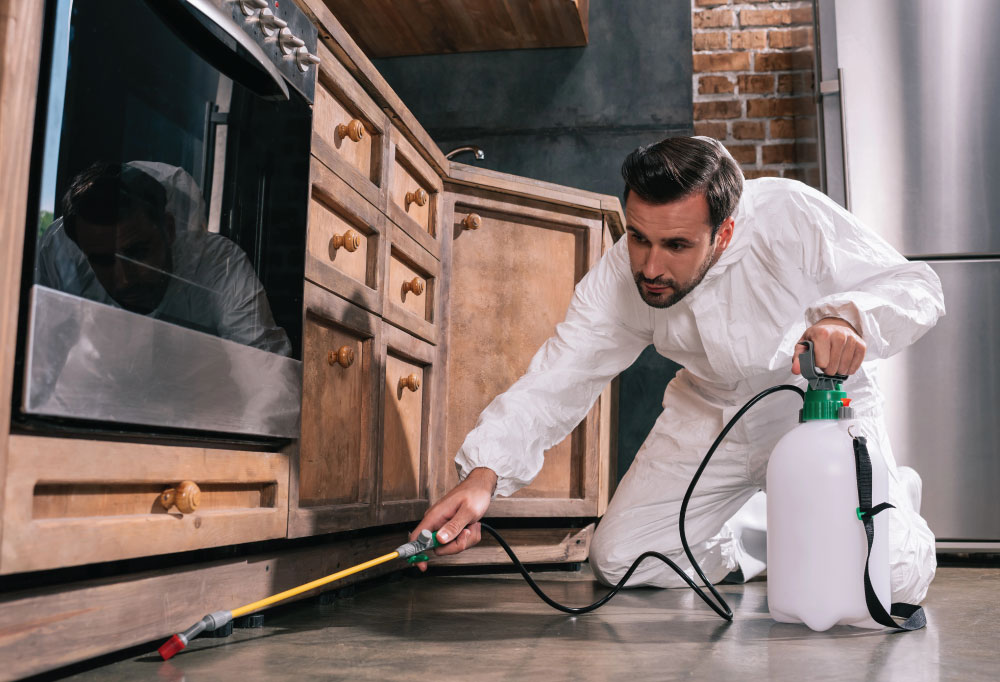
Termites are one of the few pest situations where DIY almost never makes sense. Hardware store sprays do not reach colonies in soil or inside wood, and applying them incorrectly can drive a subterranean colony deeper rather than killing it. The treatments that actually work require licensed applicators and specialized equipment.
An experienced inspector can read a foundation, an attic, and a yard for signs that a homeowner would miss. Specialists like the team at Panda Pest Control know which species is active in different parts of the Valley and the surrounding cities, which means a treatment plan that matches the actual threat rather than a generic spray and pray. Pair that with the prevention habits above and most homes can stay ahead of termites year after year.
Termite damage is one of the most expensive home repairs you will ever face if it is left unchecked. The flip side is that early detection and the right treatment cost a fraction of what major structural repairs cost. A pencil-thin mud tube on a foundation or a small pile of pellets on a windowsill is a tiny inconvenience compared to a sagging floor joist three years later.
Walk your foundation, your eaves, and your windowsills a couple of times a year. Look down at the dirt, up at the roof line, and into the corners where wood meets concrete. Arizona's two termite species are persistent, but they leave evidence everywhere they go. Spotting that evidence early is the entire ball game.
Call or text today, we are here to help!
602-422-9870