







































Do you have questions?
Call or text today, we are here to help!
602-422-9870

From black widows to wolf spiders, learn how to identify Arizona's most common house spiders, separate venomous threats from harmless ones, and reclaim your garage.
If you live in Arizona, you share your home with spiders. The question is not whether they are there but which ones, where they hide, and which of them you actually need to worry about. Most spiders you encounter are harmless. A few deserve real attention.
According to the American Association of Poison Control Centers, U.S. poison centers handle thousands of spider-bite calls every year, but the overwhelming majority involve mild reactions. In Arizona, only a small handful of species produce bites that need medical attention, and even those rarely cause serious harm in healthy adults.
Spiders are also some of nature's best pest controllers. The dozens of crickets, roaches, and flies they catch each summer are reasons to coexist with the harmless species while keeping a watchful eye on the dangerous ones. The goal of this guide is straightforward: help you tell them apart at a glance and know what to do when you find one indoors.
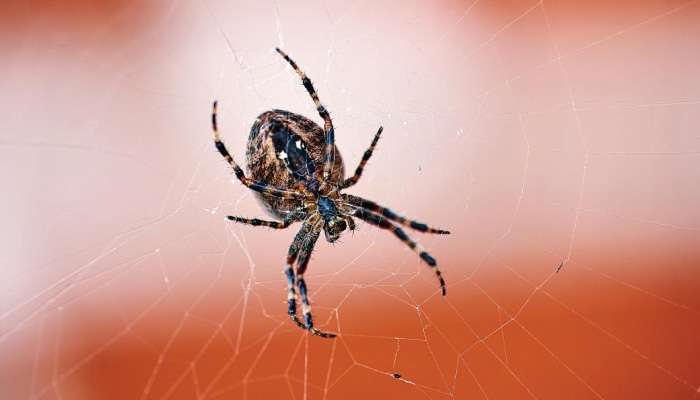
The western black widow is found across the state and is the spider most likely to cause a medically significant bite in Arizona. They favor cool, dim, sheltered spots: garage corners, under outdoor furniture, inside seldom-used boxes, behind block walls, and around woodpiles. They are not aggressive, but they will bite if pressed against skin.
A bite produces sharp pain, cramping, sweating, and sometimes nausea. Children, the elderly, and people with heart conditions should seek medical care immediately. Healthy adults usually recover at home within a few days, but if symptoms worsen, call poison control or visit an emergency room.
Despite countless reports, the true brown recluse does not live in Arizona. What people see and misidentify is usually the Arizona brown spider, a close cousin in the same family that produces a similar but generally milder bite.
Bites are uncommon and usually mild, but in rare cases they can cause a slow-healing wound. If a bite blisters or develops a dark center over 24 to 48 hours, see a doctor. The vast majority of suspected recluse bites in Arizona turn out to be something else entirely, often a skin infection or different spider altogether.
Wolf spiders look terrifying. They are large, hairy, and fast. The good news is that they are not aggressive and they pose no real medical risk to humans.
Wolf spiders eat crickets, beetles, scorpions, and other pests, making them valuable in the yard even when they look intimidating. A wolf spider in the house can usually be ushered outside with a cup and a piece of paper rather than killed.

Plenty of harmless spiders share Arizona homes and yards. Knowing them keeps panic out of the equation when you spot one in the bathtub.
Several harmless species turn up regularly. Tarantulas are large but slow and reluctant to bite, and their venom is no worse than a bee sting. Cellar spiders, also called daddy long-legs, hang upside-down in messy webs in corners. Jumping spiders are tiny, curious, and often colorful. Like the predators in our Arizona bark scorpions guide, they eat the bugs you probably do not want anywhere near your home.
Often seen on summer evenings during mating season, especially after monsoon rains. They live in burrows in the desert and rarely come indoors.
Two of the most beneficial spiders you can have indoors, often catching the very pests that cause real problems.
If you can stand looking at the occasional cellar spider in a corner, you are getting free pest control. Removing them sometimes leads to a noticeable uptick in flies and gnats.
Spiders go where the food is. Reduce the bugs and you reduce the spiders. Most prevention overlaps with the steps you would take for other pests anyway.
Shake out shoes, boots, and gloves left in the garage before putting them on. Most black widow bites in Arizona come from gardening gloves, work boots, or moving boxes that have not been touched in months.
When you find a spider indoors, you have options. For harmless species, removal beats killing every time. For black widows and Arizona browns near sleeping areas, get rid of them quickly and clean the spot thoroughly.
Vacuumed spiders should be sealed in the bag and disposed of outside the home. While you are doing your sweep, the same corners and storage areas that hide spiders are often the same spots that draw the rodents covered in our Arizona rodent guide, so the cleanup pulls double duty.
DIY handles light spider activity in most homes. Professional service makes sense in a few specific situations.
When talking with the techs at Panda Pest Control, they mentioned that a targeted treatment around the foundation, eaves, and storage spaces dramatically reduces black widow and Arizona brown populations. Pros like the team at Panda Pest know which products work in our climate and which spots to focus on, which means fewer surprises in the garage and along baseboards the rest of the year.
Most Arizona spiders are doing you a favor. They eat the mosquitoes, crickets, and roaches that would otherwise be inside your house. Once you can tell the dangerous handful from the helpful majority, the whole experience changes from anxious to manageable. A flashlight in the garage and a careful look before reaching into a dark corner go a long way.
Keep the lights yellow, the corners clear, and the shoes shaken out, and Arizona's spiders mostly take care of themselves. The dangerous ones are uncommon and avoidable when you know where they like to hide.
Call or text today, we are here to help!
602-422-9870