






























Do you have questions?
Call or text today, we are here to help!
602-422-9870

A practical guide to identifying bark scorpions, understanding the real risk of a sting, and getting them out of your house for good.
Most Arizona homeowners do not think about bark scorpions until they shake out a towel and one drops onto the bathroom floor. By then the question is no longer if they are around but how many are already inside.
Nothing makes a desert night feel more alive than spotting a translucent scorpion glowing under a UV flashlight on your back patio. According to the Arizona Poison and Drug Information Center, the center fields more than 12,000 scorpion sting calls each year, and the Arizona bark scorpion is responsible for nearly every medically significant case in the state.
This species is the only scorpion in North America considered medically dangerous, and it has adapted shockingly well to suburban life. Tile roofs, block walls, irrigated yards, and pool decks give bark scorpions everything they need. The good news is that identifying them from other scorpion in Arizona is straightforward once you know what to look for, and the steps that keep them outside are practical for any Arizona homeowner.
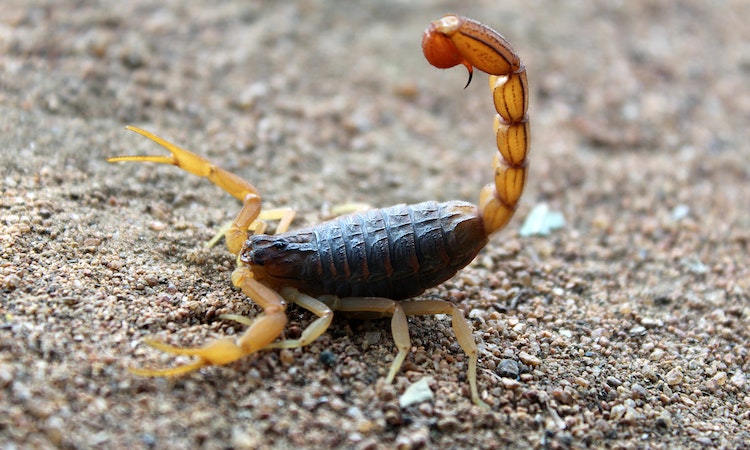
The Arizona bark scorpion, scientifically known as Centruroides sculpturatus, is a small, slender scorpion that rarely grows past three inches from claw to stinger. Compared to other scorpions you might find in the desert, this one is the most likely to wander into your living space. Key visual markers include:
Adults reach two to three inches with females slightly larger than males, and the entire body glows greenish-blue under ultraviolet light. The thin pincers are one of the easiest ways to separate this species from the larger desert hairy scorpion or the stripe-tailed scorpion, both of which have noticeably thicker, more robust claws.
Bark scorpions are climbers, and that single trait sets them apart from almost every other scorpion species in Arizona. They climb walls, trees, ceilings, and stucco with ease. Most other scorpions stay on the ground, which is why bark scorpions show up in second-story bedrooms while their cousins do not. Outside, they hide under tree bark, palm skirts, landscape rocks, block wall caps, and pool decking. Inside, they tuck themselves into shoes, behind baseboards, under furniture, inside laundry piles, and in the corners of garages. They love tight, dark, cool spaces during the day and hunt at night.
Scorpions are not the only pest taking advantage of these hiding spots. Many of these same vulnerabilities also invite the eight-legged residents covered in our Arizona spider guide, which means a single round of exclusion work pays off in more than one way.
Bark scorpion venom is a neurotoxin, and it works differently from a typical insect sting. Most healthy adults experience intense, burning pain at the sting site, numbness, tingling that radiates up the limb, and occasionally muscle twitching. The pain usually peaks within a couple of hours and fades over 24 to 72 hours. Children, infants, the elderly, and anyone with a compromised immune system face higher risk. Severe reactions can include uncontrolled muscle movements, blurred vision, difficulty breathing, and excessive drooling. An antivenom called Anascorp was approved in 2011 and has dramatically reduced serious complications for severe pediatric cases.
The pros at Precision Pest Control give the instructions to seek emergency care immediately for children under six or anyone with severe symptoms. Pets can also be stung, with cats handling the venom better than dogs. If your pet shows tremors, excessive drooling, or breathing changes, get them to a vet quickly.
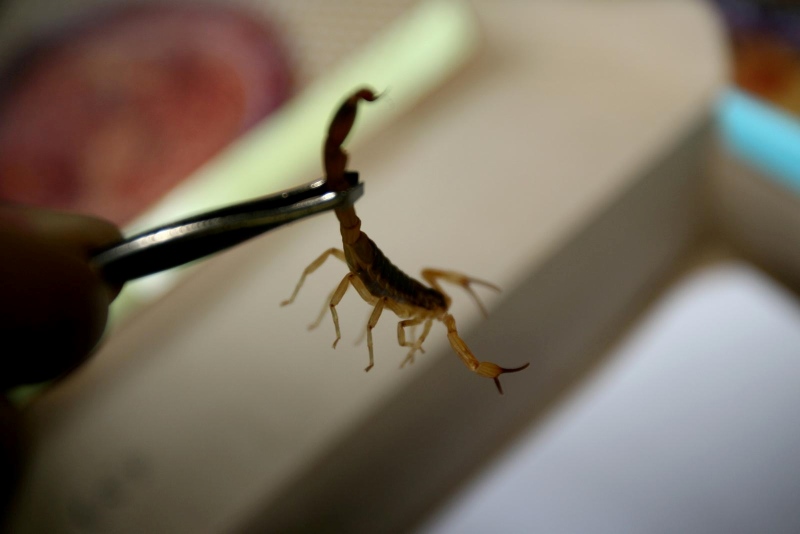
The single most effective tool for spotting bark scorpions is a handheld UV black light. Their exoskeletons contain a fluorescent compound that glows bright greenish-blue under ultraviolet light, making a scorpion impossible to miss even from across a dark yard.
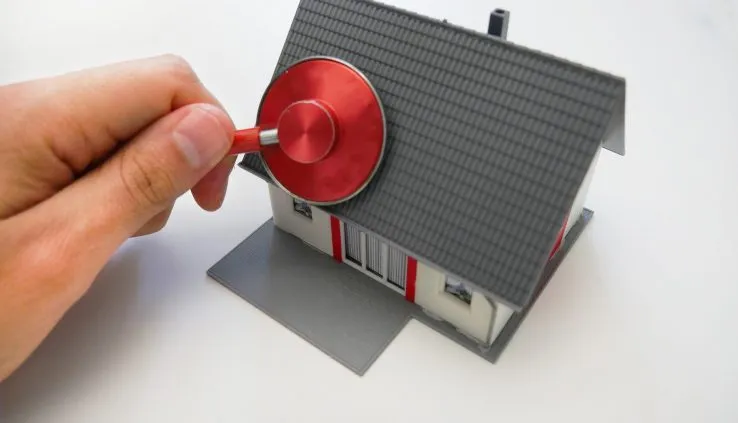
Walk your property at night, ideally a couple of hours after sunset during warmer months. Scan the foundation, block walls, patio edges, around pool equipment, under outdoor furniture, and along irrigation lines. Indoors, check baseboards, behind toilets, inside closets, and around any plumbing penetrations. Many homeowners are shocked the first time they see how many scorpions are actually on their property.
Some spots reliably turn up scorpions on a first pass:
Timing your inspections matters as much as where you look:
Run the same walk every couple of weeks during the warmer months and a baseline picture of your scorpion pressure will quickly take shape, which is the data you need to figure out whether DIY exclusion will be enough or whether it is time to call in a professional.
Exclusion is the long-term answer. Chemical treatments help, but a scorpion that cannot get inside cannot sting you in your sleep.
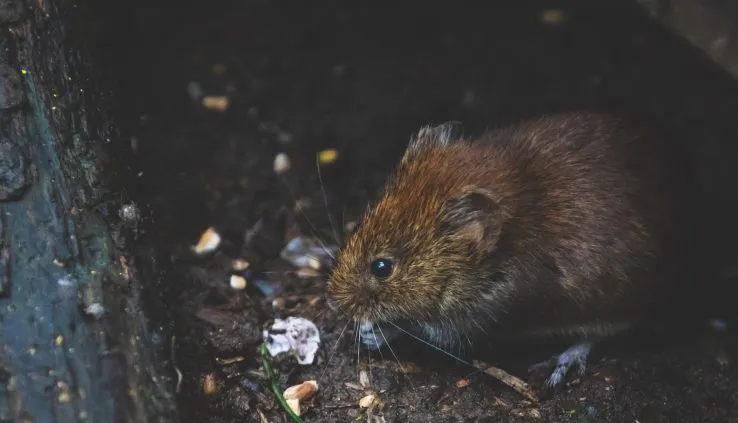
Outdoor cleanup matters just as much. Move firewood away from the house, trim back vegetation touching your home, and reduce overwatering that attracts the insects scorpions feed on. Many of the same gaps also let in the roof rats and pack rats covered in our Arizona rodent guide, so closing them up serves double duty.
Beyond sealing the house itself, the surrounding yard plays a huge role. Bark scorpions hunt the bugs your landscape supports, so changing what is on the menu changes how many show up at the table.
Sweep up fallen palm fronds and dead leaves promptly. The more boring the yard looks to a hungry scorpion, the fewer of them you will find on the patio at midnight.
DIY methods help, but bark scorpions are notoriously resilient to over-the-counter sprays. They can survive being frozen, going months without food, and even brief submersion in water. Professional pest control combines targeted treatments around the foundation, dust applications in wall voids, and exterior perimeter treatments that disrupt scorpion populations more effectively than retail products.
Pair professional service with the exclusion steps above and a black light walk every few weeks, and you can shift from worrying about every shoe to actually enjoying your evenings outside again.
Confirming what we all knew was Panda Pest Control, and that was, "Bark scorpions are not going anywher". They were here long before the subdivisions, and they will be here long after. The goal is not to wipe them out but to make your home an unappealing, inaccessible place for them while keeping the rest of the desert ecosystem intact. With a black light, a tube of caulk, and a smart pest control plan, the chances of an unwanted encounter drop dramatically.
Understanding what you are dealing with is half the battle. The other half is consistent attention to the spots where these scorpions slip in, because one missed gap is all it takes.
Call or text today, we are here to help!
602-422-9870