
























Do you have questions?
Call or text today, we are here to help!
602-422-9870

Turn summer boredom into real skills as Arizona kids learn to check swamp coolers and drip lines like true desert pros.
Summer in Arizona is not a season you survive by accident. It takes working machines, smart water use, and a household that pays attention to small warning signs before they turn into big problems. That is exactly why teaching kids to help with swamp coolers and drip irrigation lines is one of the smartest summer projects a family can take on.
This is not about handing a child a wrench and hoping for the best. It is about giving them a real understanding of how their home fights the heat, and letting them take pride in keeping it running. By the end of a few simple lessons, most kids can spot a clogged drip line or a dry swamp cooler pad faster than a grown up walking by in a hurry.
Below you will find a practical, age-appropriate plan for turning these two very Arizona systems into hands-on learning tools. No guesswork, no complicated tools, just clear steps that build confidence and keep the house cooler and greener all summer long.
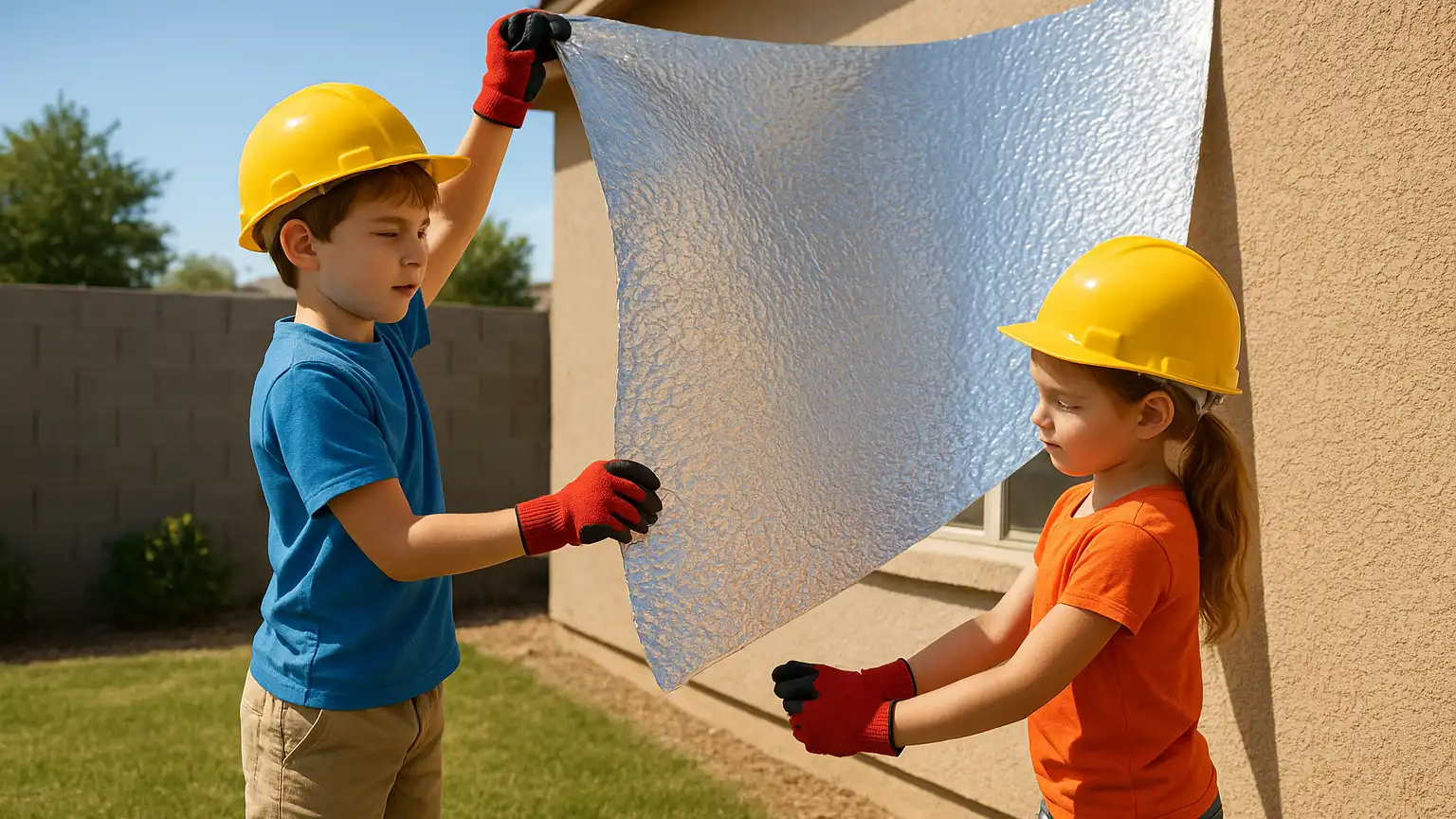
Before any child touches a tool, they need to understand what a swamp cooler actually does. Kids catch on quickly once they see it as a giant sponge that blows cool, damp air through the house. Once they get that idea, the maintenance steps start to make sense on their own.
Walk your child around the unit, whether it sits on the roof or the side of the house, and point out the main parts in simple language.
Once kids know these four parts, they can start noticing problems on their own, like a musty smell that means the pads need cleaning or a dripping sound that hints at a leaky valve.
With supervision, older kids can check the water reservoir level, look for pooling water near the base of the unit, and report any strange smells or rattling sounds. These small observation habits are the same kind of practical thinking covered in Summer Toolbox Time: Home Repairs Kids Can Actually Do, where everyday chores become real skill building.
Younger kids can help by reminding parents when it is time for a check, keeping a simple calendar, or holding the flashlight while a parent inspects the pads. Giving even small kids a role keeps them engaged without putting them near moving parts or electrical components.
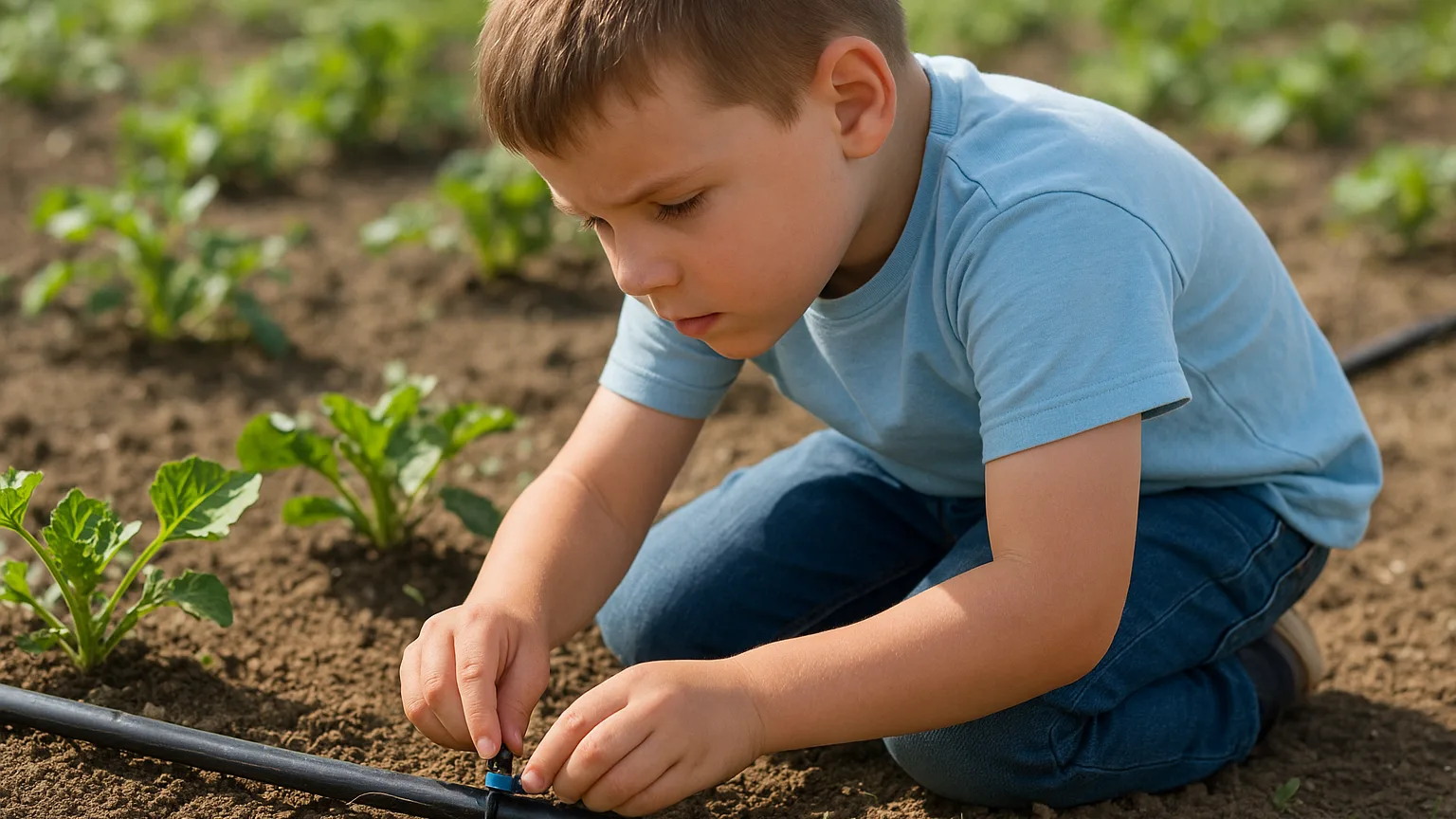
Drip irrigation lines are one of the best home systems for teaching kids about water and plant care, mostly because problems are easy to spot and easy to explain. A dry patch of dirt or a soaked, muddy spot both tell a clear story, and kids love being the ones to solve that mystery.
Start by walking the yard together and tracing where the lines run. Most Arizona homes use small black tubing with tiny emitters near each plant. Kids as young as six can help look for obvious trouble spots, while older kids can take on light hands-on fixes.
Once a problem is found, many drip line issues have simple fixes that kids can do with a little guidance. They can gently pull a clogged emitter free and rinse it with water, push a loose fitting back into place, or use a small irrigation plug to patch a hole in the tubing.
It helps to keep a small basket of drip irrigation parts, like spare emitters, tubing plugs, and connectors, so kids can grab what they need without searching through a cluttered garage. Turning this into a short scavenger hunt style chore keeps it fun instead of feeling like a boring job.
Watering schedules are another great lesson. Kids can learn why early morning watering works best in Arizona heat, and why running the system in the middle of the afternoon just wastes water. This kind of practical thinking sticks with kids long after summer break ends.
There is a quiet kind of confidence that comes from a child knowing they helped keep the house cool and the yard alive during the hottest months of the year. These small repair skills also teach patience, observation, and the kind of problem solving that classroom lessons rarely cover.
“Kids who learn basic home maintenance early tend to grow into adults who notice small issues before they become expensive ones,” says Marcus Whitfield, a residential systems specialist with Handy Squad Services. “Swamp coolers and drip lines are actually perfect starter projects because the cause and effect is so easy to see.”
While the learning is valuable, safety always comes first. A few ground rules keep things simple and worry free.
With those boundaries in place, kids can take on real jobs without unnecessary risk. It turns a chore list into a shared project, something the whole family can talk about at dinner instead of just another task to check off.
Many Arizona families turn this into a small seasonal ritual, checking the swamp cooler pads and walking the drip lines together at the start of summer and again halfway through. Kids remember these moments far more than they remember a lecture about water conservation or energy bills. It becomes something they look forward to, especially once they start noticing how much smoother the house runs after their help.
Teaching children to care for swamp coolers and drip irrigation lines is about more than saving a repair bill or stretching out a summer afternoon. It gives kids a working knowledge of how their home survives the desert, and it gives parents a genuine helper who understands why these systems matter. That kind of shared knowledge tends to last far longer than any single summer.
By the time school starts again, a child who has checked swamp cooler pads and traced drip lines across the yard will look at their home differently. They will notice the hum of the fan, the drip of a leaky emitter, or the smell of stale water pads, and they will know exactly what to do. That awareness, built one small task at a time, is the real reward of a desert-ready summer.
Call or text today, we are here to help!
602-422-9870